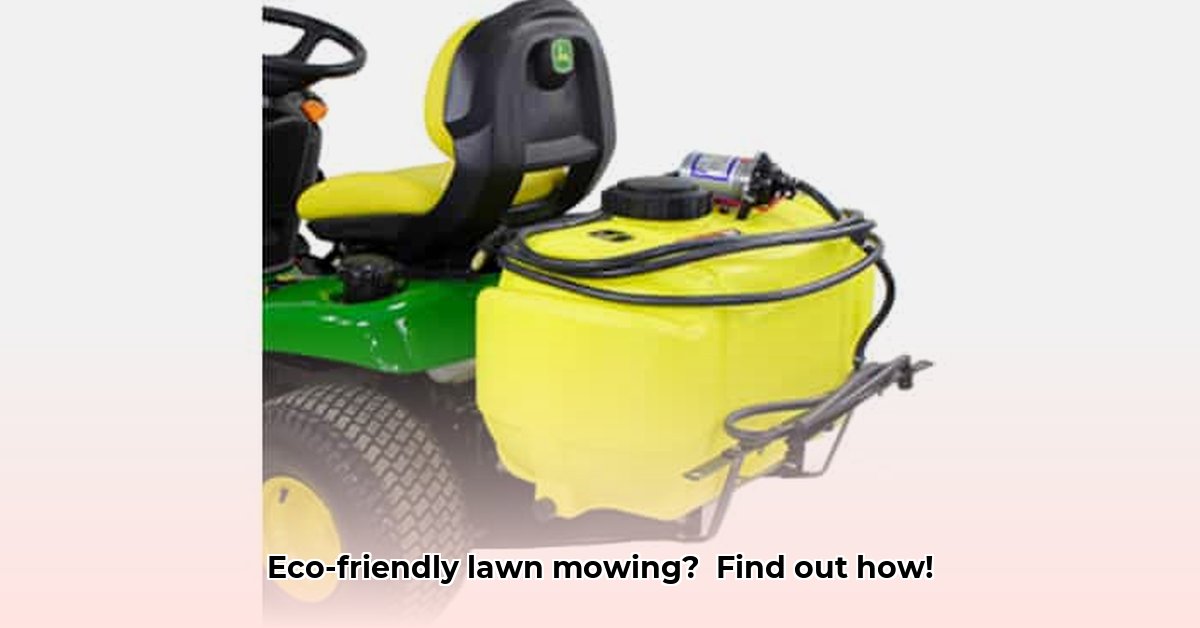
Sprayer for Tractor Lawn Mower: Your Eco-Friendly Guide to Lawn Care
Keeping your lawn or farm healthy doesn't have to mean harming the environment. This guide focuses on tractor-pulled lawn mower sprayers – a practical tool for smaller farms and larger lawns. We'll explore how to use them responsibly, minimizing environmental impact. We'll cover choosing the right sprayer, calibration, maintenance, and eco-friendly methods. Whether you're a seasoned farmer or a weekend gardener, we'll provide the practical know-how for effective and sustainable spraying. For more on tractor lawn mowers, check out this helpful resource.
The Growing Need for Smaller Sprayers: A Niche Market Emerges
The market for small, tow-behind sprayers reflects a shift towards environmentally conscious farming and landscaping. These compact sprayers are ideal for smaller properties, targeted treatments, and those prioritizing eco-friendly solutions. They offer precise and efficient application to smaller areas, minimizing waste and environmental impact. However, potential environmental consequences must be addressed.
Environmental Concerns: Responsible Spraying is Key
Using tractor-mounted sprayers raises concerns about chemical drift (spray drifting from its target) and runoff (excess spray entering waterways). These can contaminate soil and water, harming ecosystems. Choosing environmentally friendly chemicals and employing careful application techniques is crucial. Integrated Pest Management (IPM), a holistic approach emphasizing prevention, is vital for minimizing chemical use and maximizing effectiveness. Considering the entire chemical lifecycle, from sourcing to disposal, is also key. Isn't minimizing environmental impact a top priority for responsible lawn care?
Sustainable Spraying: Actionable Steps for Everyone
Here's how to improve the sustainability of tractor lawn mower sprayers, with actionable advice for various stakeholders.
For Small-Scale Farmers and Homeowners:
- Precise Calibration is Paramount: Accurate calibration (ensuring the correct treatment amount) prevents overuse, reducing waste and environmental impact. How much time do you spend calibrating your sprayer?
- Smart Chemical Selection: Prioritize environmentally friendly chemicals, exploring biopesticides and alternatives with lower environmental impact. Read labels carefully and select products for your specific needs.
- Weather Matters: Never spray on windy days or before rain. Wind causes drift; rain leads to runoff and water contamination.
For Manufacturers of Sprayers:
- Durability and Longevity: Focus on creating durable, longer-lasting equipment to reduce replacements and minimize waste and production impacts.
- Sustainable Materials: Incorporate sustainable and recyclable materials into manufacturing.
For Regulatory Agencies and Policy Makers:
- Stricter Guidelines: Implement and enforce robust regulations governing chemical usage and sprayer design to protect natural resources.
- Incentivize Eco-Friendly Innovation: Provide incentives for sustainable spraying technologies and environmentally friendly chemicals.
For Researchers and Scientists:
- Innovative Solutions: Invest in research for environmentally friendly chemicals, improved sprayer designs, and application techniques.
- Complete Life Cycle Assessments: Conduct thorough life cycle assessments of sprayers to understand their environmental impact throughout their lifespan.
Weighing the Pros and Cons: A Balanced Perspective
| Advantages | Disadvantages |
|---|---|
| Cost-effective | Potential for chemical drift and runoff |
| Relatively simple to operate | Limited tank capacity |
| Ideal for small-scale applications | Requires precise calibration and careful chemical selection |
| Allows for targeted treatment application | May not be suitable for very large areas |
Frequently Asked Questions (FAQ)
- Q: How often should I calibrate my sprayer? A: Before each use and before switching chemicals.
- Q: What size sprayer do I need? A: Consider lawn size and spraying frequency. Larger tanks are more efficient for larger areas.
- Q: How can I minimize chemical drift? A: Use low-pressure nozzles, avoid windy days, follow manufacturer's instructions, and consider drift-reducing additives.
Responsible use of a tractor lawn mower sprayer is vital for environmental protection. By following these practices, we can ensure healthy, sustainable landscapes while minimizing impact. Sustainable lawn care is an investment in the future. Stay informed about advancements in eco-friendly solutions to optimize your approach.
How to Minimize Chemical Drift with a 15-Gallon Tow-Behind Sprayer
Minimizing chemical drift with your 15-gallon sprayer is crucial for sustainable and responsible farming. This is key for regulatory compliance and achieving the best yield while protecting the environment.
Understanding Chemical Drift
Chemical drift occurs when pesticide or herbicide particles are carried by wind or air currents away from the target area. This can contaminate non-target areas, harming beneficial insects, affecting water quality, and impacting human health.
Minimizing Drift: Practical Steps
Effective drift reduction with a 15-gallon sprayer requires a multi-pronged approach:
1. Calibration is Key: Accurate measurement of sprayer output, maintaining consistent application speed, and using low-drift nozzles are crucial.
2. Environmental Factors Matter: Avoid spraying in high winds, during hot, dry conditions, and before rain.
3. Chemical Selection and Management: Use drift-reducing adjuvants and follow application rates precisely.
4. Sprayer Maintenance and Operation: Regularly maintain your sprayer, use appropriate boom height, and maintain the correct spraying pressure.
Key Takeaways:
Calibration, environmental conditions, chemical choice, and equipment maintenance are critical for minimizing drift.